Virtual Tour SEO: How to Optimize 360 Content for Google Rankings
Virtual Tour SEO: How to Optimize 360 Content for Google Rankings
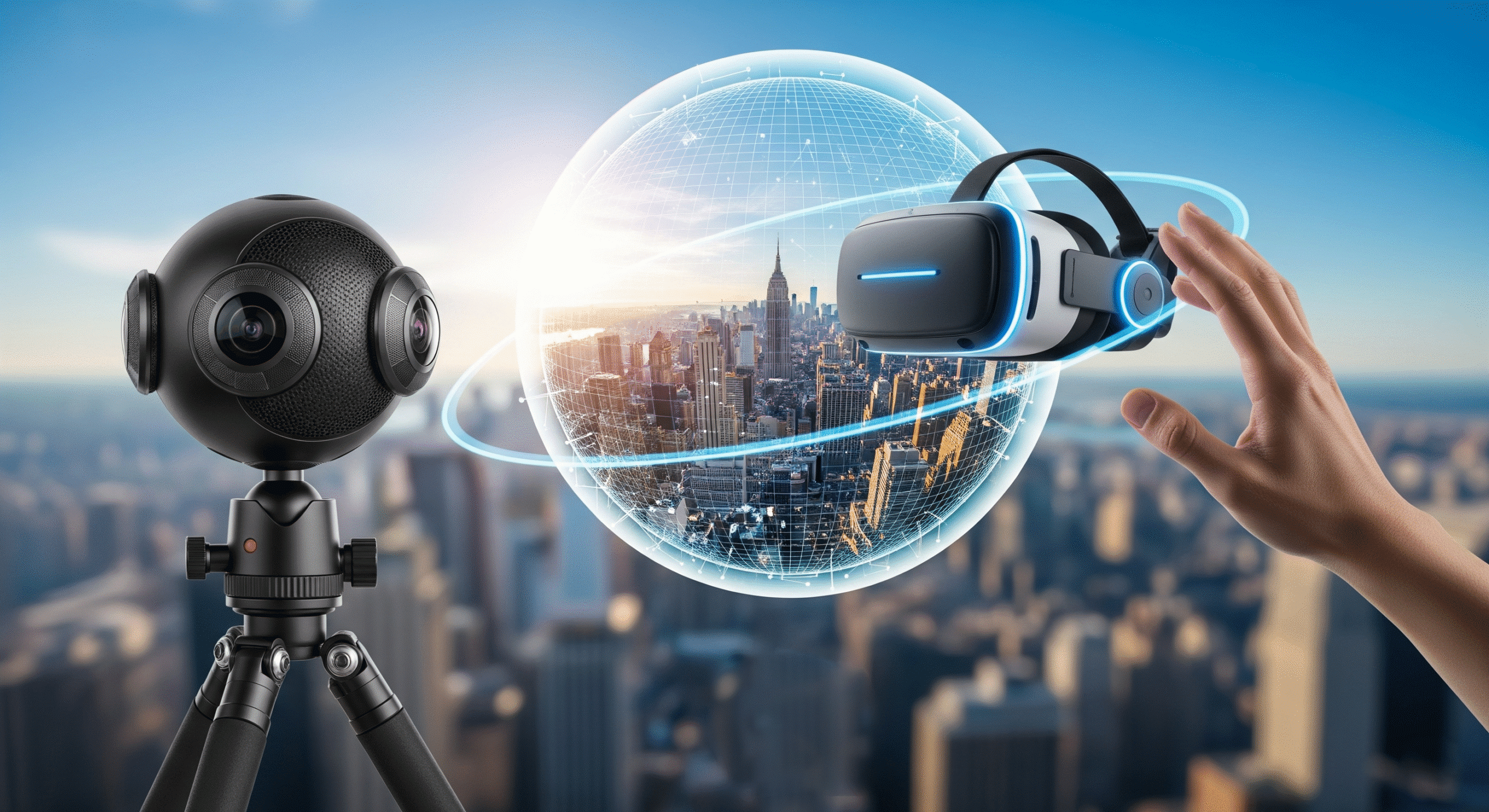
Your business invested in professional virtual tours to attract more customers and showcase your facilities, but without proper SEO optimization, these powerful marketing tools remain invisible to potential clients searching for your services online. Virtual tour SEO is a specialized discipline that combines technical optimization, content strategy, and local search tactics to ensure your 360-degree content ranks prominently in Google search results and drives qualified traffic to your business.
Businesses with SEO-optimized virtual tours see 3x more organic traffic, 250% longer website engagement times, and significantly higher conversion rates compared to those with unoptimized 360 content. The difference between virtual tours that generate leads and those that remain buried in search results often comes down to strategic SEO implementation.
Why Traditional SEO Approaches Fall Short for Virtual Tours
Technical Complexity: Virtual tours use specialized 360-degree media formats, interactive hotspots, and embedded technologies that search engines struggle to crawl and index without proper optimization techniques.
Content Recognition Challenges: Google’s algorithms excel at reading text and standard images but need additional signals to understand and value the immersive content within virtual tour experiences.
Local Search Integration: Virtual tours provide tremendous value for local businesses, but without proper local SEO optimization, they won’t appear in “near me” searches or local map results where most customers discover businesses.
Mobile Performance Impact: Virtual tours with poor mobile optimization suffer in Google’s mobile-first indexing system, regardless of their desktop performance or content quality.
User Experience Signals: Google increasingly prioritizes user experience metrics like page load speed, engagement time, and bounce rates—all areas where virtual tours can excel or fail based on their optimization.
The SEO Advantages of Properly Optimized Virtual Tours
Extended Engagement Metrics: Well-optimized virtual tours keep visitors on your website 4-6x longer than standard pages, sending powerful positive signals to Google about your content quality and relevance.
Reduced Bounce Rates: Interactive 360 content naturally reduces bounce rates as visitors explore multiple areas of your virtual tour, demonstrating content value to search algorithms.
Social Sharing Amplification: Engaging virtual tours earn more social shares and backlinks than static content, building domain authority and improving overall search rankings.
Local SEO Dominance: Virtual tours optimized for local search help businesses dominate “virtual tour near me” searches and appear prominently in Google My Business listings.
Voice Search Optimization: Virtual tours optimized for conversational queries capture the growing voice search market where people ask questions like “show me inside restaurants near me.”
Technical SEO Foundation for Virtual Tours
Page Load Speed Optimization: Compress virtual tour files, implement lazy loading, and use content delivery networks (CDNs) to ensure fast loading times that meet Google’s Core Web Vitals requirements.
Mobile-First Optimization: Ensure virtual tours function flawlessly on smartphones and tablets, as Google primarily uses mobile versions of content for indexing and ranking decisions.
URL Structure Strategy: Create SEO-friendly URLs for virtual tour pages using descriptive keywords like “/virtual-tour/restaurant-interior” rather than generic parameters or session IDs.
Structured Data Implementation: Use Schema.org markup to help search engines understand your virtual tour content, business type, location, and the immersive experience you’re providing.
XML Sitemap Integration: Include virtual tour pages in your XML sitemap with proper priority settings and update frequencies to ensure search engines discover and crawl your 360 content regularly.
Internal Linking Architecture: Create strategic internal links from your homepage, service pages, and blog content to virtual tour pages using relevant anchor text that reinforces your target keywords.
Content Optimization Strategies for Virtual Tours
Descriptive Title Tags: Write compelling title tags that include your primary keyword, business name, and location while staying under 60 characters to avoid truncation in search results.
Meta Description Excellence: Craft meta descriptions that highlight the virtual tour experience while including relevant keywords and a clear call-to-action within Google’s 160-character limit.
Alt Text for Virtual Tour Thumbnails: Write descriptive alt text for virtual tour preview images that includes relevant keywords while accurately describing what visitors will see.
Heading Structure Optimization: Use proper H1, H2, and H3 tags to organize content around your virtual tours, incorporating primary and secondary keywords naturally within the hierarchy.
Supporting Content Development: Create detailed written descriptions of what visitors will experience in your virtual tour, including room descriptions, amenities, and unique features that support your target keywords.
Local SEO Optimization for Virtual Tours
Google My Business Integration: Upload virtual tour content directly to your Google My Business profile and optimize your listing with relevant categories, attributes, and regular updates.
Location-Based Keywords: Target geographic keywords like “virtual tour [city name],” “[business type] virtual tour near me,” and “[neighborhood] virtual tour” to capture local search traffic.
Local Landing Pages: Create location-specific landing pages featuring virtual tours for businesses with multiple locations, optimizing each page for local search terms and geographic modifiers.
NAP Consistency: Ensure your business Name, Address, and Phone number are consistent across all virtual tour pages and match your Google My Business listing exactly.
Local Citation Building: Include virtual tour links in local business directories, chamber of commerce listings, and industry-specific directories to build local authority and relevance.
Keyword Research and Strategy for Virtual Tour SEO
Primary Keyword Categories:
- Business type + virtual tour (e.g., “restaurant virtual tour”)
- Location + virtual tour (e.g., “Phoenix virtual tour”)
- Industry-specific terms (e.g., “dental office virtual tour”)
- Experience-focused keywords (e.g., “360 degree tour”)
Long-Tail Keyword Opportunities:
- “virtual tour of [business name]”
- “see inside [business type] before visiting”
- “360 degree view of [business type]”
- “[business type] virtual reality tour”
Question-Based Keywords: Target conversational queries like “can I see inside before visiting,” “what does the [business type] look like inside,” and “virtual tour of [business type] near me.”
Seasonal and Event-Based Keywords: Optimize for seasonal searches like “holiday decorations virtual tour” or “wedding venue virtual tour” based on your business type and target market.
Technical Implementation Best Practices
Core Web Vitals Optimization:
- Largest Contentful Paint (LCP): Optimize virtual tour loading to display meaningful content within 2.5 seconds
- First Input Delay (FID): Ensure virtual tour controls respond to user interactions within 100 milliseconds
- Cumulative Layout Shift (CLS): Prevent layout shifts as virtual tour elements load by reserving appropriate space
Image Optimization: Compress virtual tour images without quality loss, use next-generation formats like WebP when possible, and implement responsive images for different screen sizes.
JavaScript Optimization: Minimize and compress JavaScript files used by virtual tours, implement async loading where appropriate, and avoid render-blocking resources.
HTTPS Implementation: Ensure all virtual tour content loads over secure HTTPS connections, as Google prioritizes secure sites in search rankings.
Crawlability Enhancement: Create HTML fallbacks for virtual tour content that search engine crawlers can access and index, even if they cannot process the interactive 360 elements.
Content Marketing Integration for Virtual Tour SEO
Blog Content Strategy: Create blog posts about your virtual tours, behind-the-scenes content about creating them, and industry-specific guides that link to your virtual tour pages.
Social Media Amplification: Share virtual tour content across social media platforms with optimized descriptions, hashtags, and calls-to-action that drive traffic back to your website.
Email Marketing Integration: Include virtual tour links in email campaigns to existing customers and prospects, driving engaged traffic that improves user experience metrics.
Press Release Distribution: Announce new virtual tour launches through press releases and industry publications to earn backlinks and increase brand awareness.
Guest Content Opportunities: Contribute articles about virtual tours to industry publications and local business blogs, including strategic links back to your virtual tour content.
Measuring and Monitoring Virtual Tour SEO Performance
Key Performance Indicators:
- Organic search traffic increases to virtual tour pages
- Keyword ranking improvements for target terms
- Time on page and engagement metrics for virtual tour visitors
- Conversion rates from virtual tour traffic to business inquiries
Google Search Console Monitoring: Track virtual tour page performance, identify crawling issues, and monitor search query performance to optimize for high-value keywords.
Google Analytics Setup: Configure enhanced ecommerce tracking, goal conversions, and audience segmentation to understand how virtual tour traffic converts to business results.
Local Search Tracking: Monitor local search rankings, Google My Business insights, and local citation consistency to maintain strong local SEO performance.
Competitor Analysis: Track competitor virtual tour implementations, keyword rankings, and content strategies to identify opportunities for improvement and differentiation.
Common Virtual Tour SEO Mistakes to Avoid
Ignoring Mobile Experience: Virtual tours that don’t function properly on mobile devices fail in Google’s mobile-first indexing system, regardless of desktop performance quality.
Missing Alt Text and Descriptions: Failing to provide text alternatives for virtual tour content makes it invisible to search engines and reduces accessibility for users with disabilities.
Poor URL Structure: Using dynamic URLs with session parameters or generic identifiers instead of descriptive, keyword-rich URLs limits search engine understanding and user experience.
Neglecting Page Speed: Large, unoptimized virtual tour files that slow page loading times hurt search rankings and user experience across all devices.
Duplicate Content Issues: Using identical descriptions across multiple virtual tour pages or locations creates duplicate content problems that dilute search engine rankings.
Advanced Virtual Tour SEO Strategies
Schema Markup Implementation: Use specific schema types like “VirtualLocation,” “TouristDestination,” or “LocalBusiness” to provide rich context about your virtual tour content.
Video SEO Integration: If your virtual tours include video elements, optimize video titles, descriptions, and thumbnails for video search results and featured snippets.
Image SEO Optimization: Optimize virtual tour thumbnail images for Google Images search, including relevant filenames, alt text, and captions that drive additional traffic.
Featured Snippet Optimization: Structure content around virtual tours to capture featured snippets for questions like “what to look for in a [business type]” or “how to choose a [service provider].”
Voice Search Optimization: Optimize for conversational queries and natural language searches as voice search continues growing in popularity among consumers.
Industry-Specific Virtual Tour SEO Strategies
Real Estate Virtual Tours:
- Target property-specific keywords and MLS numbers
- Optimize for neighborhood and school district searches
- Include detailed property descriptions and amenity keywords
- Focus on mobile optimization for on-the-go home shopping
Restaurant Virtual Tours:
- Target cuisine-specific and atmosphere-related keywords
- Optimize for “restaurants near me” and dining occasion searches
- Include menu items and ambiance descriptions in content
- Focus on local SEO and review integration
Healthcare Virtual Tours:
- Target medical specialty and condition-related keywords
- Optimize for “medical facilities near me” and provider searches
- Include accessibility and amenity information in descriptions
- Focus on trust signals and credential keywords
Hospitality Virtual Tours:
- Target destination and travel-related keywords
- Optimize for seasonal and event-based searches
- Include amenity and activity descriptions in content
- Focus on visual search and social media integration
Future-Proofing Your Virtual Tour SEO Strategy
Artificial Intelligence Integration: Prepare for AI-powered search features by ensuring your virtual tour content includes comprehensive, natural language descriptions that AI systems can understand and recommend.
Augmented Reality Optimization: As AR features become more prevalent in search results, ensure your virtual tour technology can integrate with emerging AR search experiences.
Voice Search Evolution: Continue optimizing for conversational queries and natural language searches as voice search technology becomes more sophisticated and widely adopted.
Visual Search Preparation: Optimize virtual tour images and thumbnails for visual search platforms like Google Lens, Pinterest Visual Search, and social media image recognition systems.
ROI of Virtual Tour SEO Investment
Traffic Growth Expectations: Properly optimized virtual tours typically generate 200-400% increases in organic search traffic within 6-12 months of implementation.
Conversion Rate Improvements: SEO-optimized virtual tours convert 25-40% better than unoptimized content because they attract more qualified, intent-driven traffic.
Local Market Dominance: Businesses with optimized virtual tours often capture 60-80% of local “virtual tour” searches in their industry and geographic market.
Competitive Advantages: Early adoption of virtual tour SEO creates lasting competitive advantages that are difficult for competitors to overcome once established.
Why Choose Virtual Tours LLC for SEO-Optimized Virtual Tours
SEO-First Approach: Our virtual tours are built with search engine optimization in mind from the ground up, ensuring maximum visibility and performance from day one.
Technical Expertise: Our team combines virtual tour production excellence with advanced SEO knowledge to create content that ranks well and converts visitors to customers.
Local SEO Specialization: We understand the local search factors that drive business discovery and optimize virtual tours specifically for geographic and “near me” searches.
Performance Monitoring: We provide ongoing SEO performance monitoring and optimization to ensure your virtual tours continue ranking well as search algorithms evolve.
Industry Experience: Our track record of creating SEO-optimized virtual tours across multiple industries ensures we understand the unique optimization needs of your specific business type.
Implementation Roadmap for Virtual Tour SEO Success
SEO Strategy Development (Week 1):
- Comprehensive keyword research for your industry and location
- Competitive analysis of virtual tour implementations in your market
- Technical SEO audit of your current website and virtual tour integration
- Development of content and optimization strategy aligned with business goals
Technical Optimization (Week 2-3):
- Virtual tour production with SEO best practices built in from creation
- Website optimization for speed, mobile performance, and crawlability
- Schema markup implementation and structured data optimization
- URL structure optimization and internal linking strategy development
Content Creation and Launch (Week 4):
- SEO-optimized page titles, meta descriptions, and supporting content creation
- Google My Business optimization and local citation management
- XML sitemap updates and search engine submission
- Social media integration and content amplification strategy launch
Monitoring and Optimization (Ongoing):
- Regular performance monitoring and keyword ranking tracking
- User experience optimization based on analytics data and user feedback
- Content updates and seasonal optimization for maintained relevance
- Continuous improvement based on algorithm changes and industry developments
Take Action: Maximize Your Virtual Tour Visibility
The businesses that dominate search results tomorrow are those implementing comprehensive virtual tour SEO strategies today. While competitors rely on basic virtual tours without optimization, your SEO-focused approach ensures maximum visibility, qualified traffic, and measurable business results.
Virtual tour SEO isn’t just about rankings—it’s about connecting your business with customers actively searching for the experiences and services you provide, exactly when they’re ready to make decisions.
Ready to transform your virtual tours into powerful lead generation tools that dominate search results?
Contact Virtual Tours LLC today:
- Email: info@virtualtours.llc
- Phone: 212-951-1010
- Schedule your SEO consultation: Discover how optimized virtual tours can transform your online visibility and business growth
Don’t let your virtual tour investment remain invisible to potential customers. Our SEO-optimized virtual tours start working immediately to improve your search rankings and drive qualified traffic that converts to real business results.
Call Virtual Tours LLC now at 212-951-1010 and start dominating your local search market with SEO-optimized virtual tours that drive results.

Related Posts