What is a 3D Tour? Complete 2026 Guide to 3D Virtual Tours
In an increasingly digital world, businesses are constantly seeking innovative ways to showcase their spaces and engage customers remotely. Among the most powerful tools emerging in this landscape are 3D tours—immersive digital experiences that allow viewers to explore spaces as if they were physically present. But what exactly is a 3D tour, and how does it differ from other virtual viewing technologies?
At Virtual Tours LLC, we’ve helped thousands of businesses across industries create compelling 3D experiences that drive engagement, increase conversions, and expand their reach. Understanding what 3D tours are and how they can benefit your business is essential in today’s competitive marketplace.
Defining 3D Tours: Beyond Traditional Virtual Experiences
What is a 3D Tour?
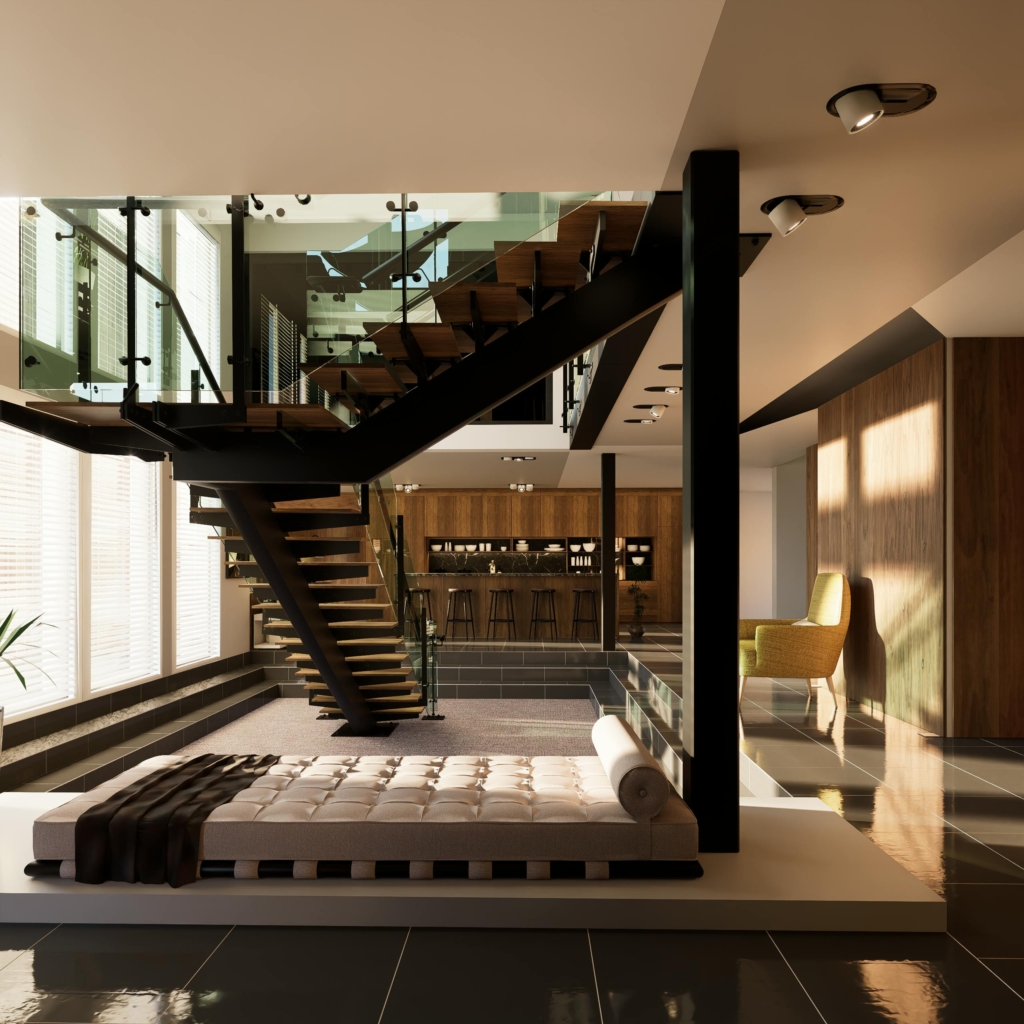
A 3D tour is an interactive, immersive digital representation of a physical space that allows viewers to navigate through environments using their computer, smartphone, or VR headset. Unlike traditional photos or videos that show spaces from limited perspectives, 3D tours create complete spatial understanding by capturing depth, dimension, and spatial relationships between objects and rooms.
Key Characteristics:
- Three-dimensional spatial awareness with accurate depth perception
- Interactive navigation allowing viewers to move through spaces naturally
- Dollhouse view capability showing entire floor plans and layouts
- Measurement tools providing accurate dimensional information
- Hotspot integration for additional information and multimedia content
How 3D Tours Work
Data Capture Process: Specialized cameras and sensors capture not just images, but spatial data about distances, depths, and relationships between objects in the environment.
3D Reconstruction: Advanced software processes this data to create accurate three-dimensional models of spaces, complete with texture mapping and spatial coordinates.
Interactive Platform: The final 3D tour runs on platforms that allow smooth navigation, with viewers able to “walk” through spaces, examine details, and access additional information.
Multi-Device Compatibility: Modern 3D tours work seamlessly across devices—from smartphones and tablets to desktop computers and VR headsets.
3D Tours vs. 360° Virtual Tours: Understanding the Differences
360° Virtual Tours
Technology: Use specialized cameras to capture spherical images from fixed points in space.
Navigation: Viewers can look around in all directions from specific viewing positions but move between pre-determined points.
Visual Experience: Photorealistic imagery with complete environmental views from stationary positions.
Best For: Showcasing atmosphere, ambiance, and detailed visual documentation of spaces.
3D Tours
Technology: Use depth-sensing cameras and advanced processing to create three-dimensional spatial models.
Navigation: Viewers can move freely through spaces with natural walking motion and spatial understanding.
Visual Experience: Three-dimensional representation with accurate depth perception and spatial relationships.
Best For: Providing spatial understanding, layout comprehension, and measurement capabilities.
Hybrid Solutions
Many modern virtual tour solutions combine both technologies, offering the photorealistic quality of 360° imagery with the spatial navigation capabilities of 3D modeling for the most comprehensive virtual experiences.
Key Features That Define Quality 3D Tours
Dollhouse View
Complete Layout Visualization: The signature feature of 3D tours is the “dollhouse” view—a cross-section perspective that shows entire floor plans and spatial relationships between rooms.
Navigation Aid: Viewers can click on any room in the dollhouse view to instantly navigate there, providing intuitive spatial orientation.
Property Understanding: Particularly valuable for real estate, hospitality, and large facilities where understanding overall layout is crucial.
Floor Plan Integration
Accurate Measurements: Professional 3D tours include precise floor plans with accurate measurements and dimensions.
Interactive Navigation: Viewers can use floor plans as navigation tools, clicking on specific areas to explore them in 3D.
Planning Tools: Businesses can use integrated floor plans for space planning, furniture arrangement, and operational optimization.
Measurement Tools
Built-in Measuring: Many 3D tour platforms include tools allowing viewers to measure distances, room dimensions, and object sizes within the virtual environment.
Professional Applications: Particularly valuable for contractors, architects, interior designers, and anyone needing accurate spatial information.
Remote Planning: Enable detailed planning and estimation without requiring physical site visits.
Multimedia Integration
Hotspot Information: Interactive points throughout 3D tours can provide additional details, specifications, pricing, or contextual information.
Video Integration: Embed videos showcasing processes, testimonials, or additional content within the 3D environment.
Photo Galleries: High-resolution still images can complement 3D navigation, showing fine details or alternative views.
Document Access: Link to floor plans, specifications, brochures, or other relevant documents directly within the tour.
Industries Revolutionized by 3D Tours
Real Estate
Property Showcasing: 3D tours have become essential for real estate marketing, allowing potential buyers to explore properties remotely and understand layouts before scheduling viewings.
Benefits for Agents:
- Reduce unqualified showings
- Expand market reach to remote buyers
- Provide 24/7 property access
- Enhance listing presentations
Benefits for Buyers:
- Explore properties at convenient times
- Understand spatial relationships and flow
- Make more informed viewing decisions
- Include remote family members in property evaluation
Hospitality and Hotels
Room and Facility Previews: Hotels use 3D tours to showcase rooms, amenities, and common areas, helping guests make informed booking decisions.
Booking Confidence: Travelers can explore accommodations before arrival, reducing uncertainty and increasing satisfaction.
Event Planning: Meeting and event planners can virtually assess venues for suitability and capacity planning.
Healthcare Facilities
Patient Comfort: Medical facilities use 3D tours to familiarize patients and families with treatment environments, reducing anxiety and building trust.
Facility Tours: Enable virtual exploration of hospitals, clinics, and specialized treatment centers for patients researching care options.
Staff Training: New employees can virtually familiarize themselves with facility layouts before their first day.
Education
Campus Exploration: Schools and universities provide virtual campus tours for prospective students and families who cannot visit in person.
Facility Showcasing: Highlight specialized facilities like laboratories, libraries, sports complexes, and dormitories.
Accessibility: Make educational environments accessible to students with mobility limitations or those considering distance learning options.
Retail and Commercial Spaces
Store Layouts: Retailers use 3D tours to showcase store layouts, product displays, and shopping environments.
Commercial Real Estate: Office buildings, warehouses, and commercial properties benefit from 3D tours for leasing and tenant attraction.
Event Venues: Wedding venues, conference centers, and event spaces use 3D tours to help clients visualize their events.
Manufacturing and Industrial
Facility Tours: Manufacturers provide virtual facility tours for clients, investors, and partners without disrupting operations.
Safety Training: Use 3D environments for safety training and orientation without exposing trainees to actual industrial hazards.
Equipment Showcasing: Display manufacturing capabilities, quality control processes, and operational efficiency.
Technical Advantages of 3D Tours
Enhanced User Engagement
Longer Interaction Times: Studies show users spend significantly more time exploring 3D tours compared to traditional photo galleries or videos.
Higher Conversion Rates: Businesses report improved conversion rates from 3D tour viewers compared to traditional marketing methods.
Reduced Bounce Rates: Interactive 3D content keeps visitors engaged longer on websites and digital platforms.
Competitive Differentiation
Professional Presentation: High-quality 3D tours demonstrate technological sophistication and attention to detail.
Market Leadership: Early adoption of 3D tour technology positions businesses as innovative leaders in their industries.
Enhanced Brand Perception: Professional 3D presentations elevate brand perception and credibility.
Operational Efficiency
Reduced Site Visits: Pre-qualified visitors arrive more informed and serious about potential transactions or partnerships.
Global Reach: Eliminate geographic limitations and reach international audiences without travel requirements.
24/7 Accessibility: Spaces are always available for virtual exploration regardless of business hours or scheduling constraints.
Creating Effective 3D Tours: Best Practices
Professional Preparation
Space Staging: Ensure spaces are clean, well-lit, and professionally arranged to showcase their best potential.
Lighting Optimization: Proper lighting is crucial for high-quality 3D capture and realistic representation.
Decluttering: Remove unnecessary items that might distract from the space’s key features and selling points.
Strategic Planning: Plan the tour flow to guide viewers through spaces logically and highlight important features.
Technical Excellence
High-Resolution Capture: Use professional-grade 3D cameras and scanning equipment for optimal quality and accuracy.
Accurate Processing: Ensure precise spatial measurements and realistic texture mapping for professional results.
Platform Optimization: Choose 3D tour platforms that provide excellent user experiences across all devices and browsers.
Loading Speed: Optimize file sizes and hosting for fast loading times that maintain user engagement.
Content Strategy
Guided Navigation: Design tours with logical flow that tells a story about the space and its uses.
Interactive Elements: Strategically place hotspots and information points to enhance understanding without overwhelming viewers.
Mobile Optimization: Ensure excellent experiences on smartphones and tablets where many users will access 3D tours.
Accessibility Features: Include features that make 3D tours accessible to users with disabilities.
Technology Behind 3D Tours
Capture Technologies
LiDAR Scanning: Light Detection and Ranging technology uses laser pulses to measure distances and create precise 3D models.
Photogrammetry: Advanced software processes multiple photographs to reconstruct three-dimensional models with photorealistic textures.
Structured Light Scanning: Projects patterns onto surfaces and analyzes distortions to calculate depth and spatial relationships.
Time-of-Flight Cameras: Measure the time it takes for light to travel to objects and return, creating accurate depth maps.
Processing and Rendering
3D Reconstruction Algorithms: Sophisticated software processes raw capture data into navigable 3D environments.
Texture Mapping: High-resolution photography is mapped onto 3D models to create realistic visual representations.
Compression Optimization: Advanced compression techniques maintain visual quality while enabling smooth streaming and navigation.
Cross-Platform Compatibility: Modern 3D tours use web-based technologies that work across devices without requiring special software.
Measuring 3D Tour Success
Key Performance Indicators
Engagement Metrics:
- Time spent exploring 3D tours
- Number of rooms or areas visited
- Interaction with hotspots and information points
- Return visits and sharing behavior
Business Impact:
- Increased qualified inquiries
- Higher conversion rates from virtual to physical visits
- Reduced sales cycle length
- Expanded geographic reach
User Experience:
- Device compatibility and performance
- Loading times and technical reliability
- User feedback and satisfaction scores
- Accessibility and ease of navigation
ROI Measurement
Cost Savings:
- Reduced need for in-person showings or tours
- Lower travel costs for remote clients
- More efficient use of sales team time
Revenue Enhancement:
- Increased qualified leads
- Higher average transaction values
- Expanded market reach and customer base
- Enhanced brand perception and positioning
Future of 3D Tour Technology
Emerging Developments
Artificial Intelligence Integration: AI-powered features will provide personalized tour experiences, automatic highlighting of relevant features, and predictive analytics about viewer interests.
Augmented Reality Overlay: Future 3D tours will integrate AR elements, allowing viewers to visualize changes, additions, or customizations in real-time.
Virtual Reality Enhancement: Improved VR integration will provide even more immersive experiences as VR technology becomes more accessible.
Real-Time Collaboration: Multiple users will be able to explore 3D spaces together, enabling remote collaboration and group decision-making.
Market Evolution
Industry Standardization: 3D tours are becoming standard expectations rather than premium offerings across multiple industries.
Technology Democratization: Improving technology and reducing costs are making professional 3D tours accessible to smaller businesses.
Platform Integration: 3D tours are increasingly integrating with CRM systems, booking platforms, and business management tools.
Analytics Enhancement: Advanced analytics will provide deeper insights into user behavior and preferences within 3D environments.
Implementation Considerations
Choosing the Right Solution
Business Objectives: Clearly define what you want to achieve with 3D tours—lead generation, customer education, operational efficiency, or competitive differentiation.
Target Audience: Consider how your audience will access and use 3D tours—device preferences, technical comfort levels, and viewing contexts.
Budget and ROI: Evaluate costs against expected returns, considering both direct revenue impact and operational efficiency gains.
Technical Requirements: Assess your technical infrastructure and platform integration needs for optimal implementation.
Working with Professional Providers
Experience and Expertise: Choose providers with proven experience in your industry and understanding of your specific needs.
Technology Capabilities: Ensure providers use professional-grade equipment and stay current with emerging technologies.
Support and Service: Look for ongoing support, training, and optimization services to maximize your 3D tour investment.
Portfolio and References: Review previous work and client testimonials to assess quality and reliability.
Conclusion: The Power of 3D Tour Technology
3D tours represent a fundamental shift in how businesses showcase spaces and engage with remote audiences. By providing immersive, interactive experiences that go far beyond traditional photography or video, 3D tours enable viewers to develop genuine understanding and emotional connections with spaces before ever visiting in person.
For businesses across industries, 3D tours offer powerful tools for increasing engagement, expanding reach, and improving operational efficiency. The technology eliminates geographic barriers while providing richer, more informative experiences than any previous virtual viewing method.
As technology continues advancing and becoming more accessible, 3D tours are transitioning from innovative novelty to essential business tool. Organizations that embrace this technology now position themselves as forward-thinking leaders while gaining significant competitive advantages in their markets.
The question isn’t whether 3D tours will become standard practice—it’s how quickly your business can implement this technology to capture the benefits of immersive digital engagement.
Ready to Transform Your Business with 3D Tours?
At Virtual Tours LLC, we specialize in creating professional 3D tour experiences that drive real business results. Our comprehensive approach combines cutting-edge technology with deep understanding of how immersive experiences influence customer behavior and decision-making.
From real estate and hospitality to healthcare and manufacturing, we help businesses across industries leverage 3D tour technology to expand their reach, improve efficiency, and create compelling digital experiences that convert viewers into customers.
Contact Virtual Tours LLC today to discover how 3D tours can revolutionize how you showcase your spaces and connect with audiences worldwide.
Virtual Tours LLC has been at the forefront of immersive technology since 2013, helping businesses create engaging 3D experiences that drive measurable results. Our expertise spans multiple industries and technologies, ensuring you get the most advanced and effective 3D tour solutions available.